
Panel, Featheredge and Wildlife Fencing
Steve’s Garden Services undertakes selected fencing repairs, replacements and new installations across Norwich, Swardeston and nearby villages. This includes replacing damaged posts or panels, installing complete panel systems, constructing traditional featheredge fencing on site, and fitting suitable mesh fencing for garden and wildlife-control purposes.
With experience dating back to 2009 and full public liability insurance, I have installed and replaced a range of garden fences, including concrete-post and gravel-board systems, timber posts and gravel boards, standard panels, hand-built featheredge fencing, traditional hazel fencing, deer fencing and lower-level rabbit fencing. Each job is assessed individually, and the written quotation will explain the agreed materials, labour, waste arrangements and any deposit required before materials are ordered.

Practical Fencing Repairs and Installation
Experienced Local Installation
Based in Swardeston, I have completed fencing work in Norwich and surrounding villages. The proposed construction is considered against the existing boundary, ground conditions, access, exposure and the customer’s practical requirements.
Installation and Repairs
Work can range from replacing individual damaged posts or panels to installing a complete new boundary. The construction method depends on the fence type, existing foundations, ground conditions and agreed materials; not every installation requires the same post system or concrete specification.
Fence Types to Suit Your Garden
Depending on the site and requirements, available fencing options can include:
- Standard timber panels: Replacement or new installation using suitable timber or concrete posts.
- Concrete posts and gravel boards: A practical option where the site, access and customer preference make the system appropriate.
- Timber posts and gravel boards: Suitable for selected panel or traditional timber fencing installations.
- Featheredge or closeboard fencing: Traditional fencing constructed on site to suit the particular boundary.
- Hazel fencing: A natural-looking option for suitable gardens and planting areas.
- Deer fencing: Mesh fencing for protecting larger gardens, boundaries or vulnerable planting where the required height and site make installation practical.
- Rabbit fencing: Lower-level mesh fencing designed to reduce rabbit access to vegetable plots, beds or selected garden areas.
- Fence repairs: Replacement posts, panels, gravel boards, rails or shorter sections where repair is practical.
- Picket fencing: Decorative, lower-level fencing for suitable front gardens, paths or divided garden areas. It is available where requested, although it forms a smaller part of current SGS fencing work.
Clear Quotations and Terms
Fencing is normally quoted as a complete job after the boundary has been inspected and measured. The quotation will identify the agreed materials, labour, access assumptions and waste arrangements. A deposit may be required before materials are ordered, with the payment stages confirmed in writing.
Removal of old fencing is not automatic and will be included only where it has been assessed and separately allowed for in the quotation.
How a Fencing Enquiry Is Assessed

Step 1: Site Assessment and Requirements
I inspect and measure the proposed boundary, check access and visible ground conditions, and discuss the required height, appearance and construction. The customer should confirm ownership of the boundary and any relevant restrictions before work is authorised.
Photographs and approximate measurements are useful for an initial enquiry, but a site visit may be required before a reliable quotation can be provided.

Step 2: Materials and Installation
Once the quotation and any required deposit have been agreed, the specified materials are ordered. Installation is carried out using the construction method appropriate to the chosen fence, existing boundary and site conditions.

Step 3: Completion and Waste Arrangements
The completed work is checked against the agreed scope. Reusable or customer-retained materials are left as agreed, while removal of old fencing and excavated material is handled only where it is included in the quotation.
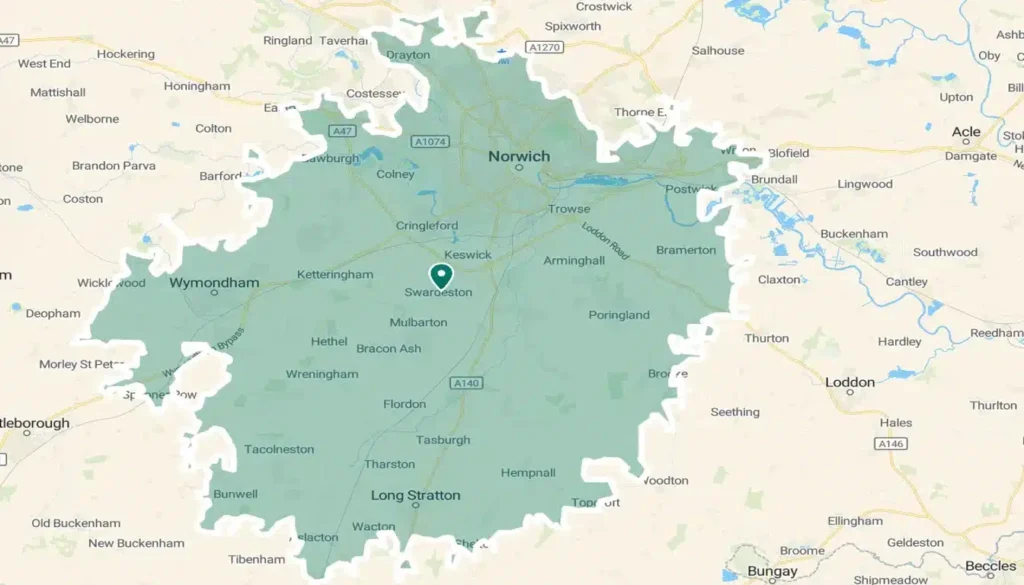
Areas We Cover
Fencing enquiries are considered in:
- Norwich
- Swardeston
- Hethersett
- Cringleford
- Mulbarton
- East Carleton
- Trowse
Nearby villages may also be considered depending on travel distance, access, project size and current availability. Please provide the property postcode when enquiring.
Frequently Asked Questions
These are some of the practical questions customers ask when considering fencing repairs or replacement.
Still have more questions?
For an initial assessment, please send the property postcode, approximate length, photographs of both sides of the fence where possible, and a short description of the repair or replacement required.
Get in touchRelated Services You Might Find Useful
Request a Fencing Assessment in Norwich
If you need a fence repaired, replaced or newly installed, please send the property postcode, approximate measurements and several current photographs. I can then assess whether the work is within my area, current capacity and preferred scope before arranging a site visit where required.